
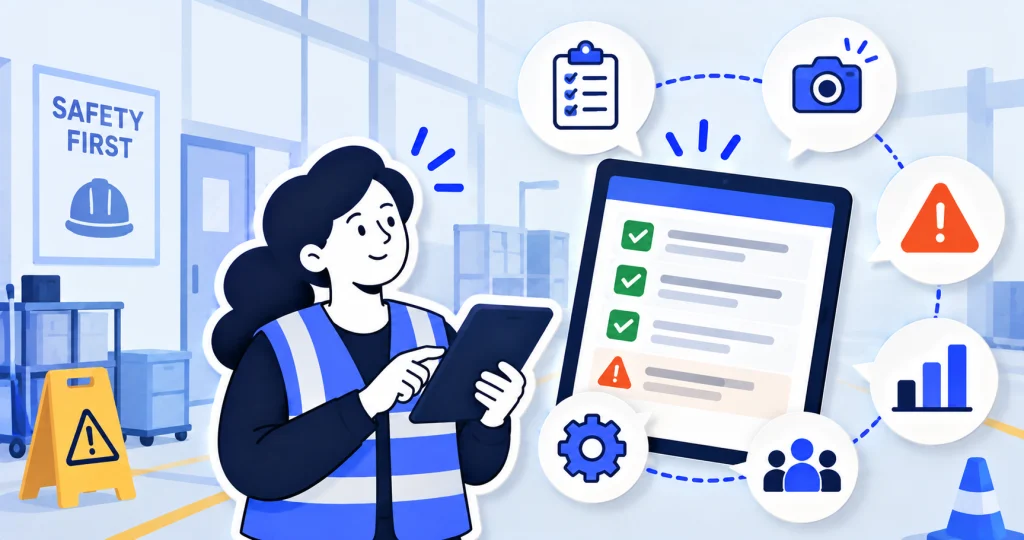
Whether you’re overseeing a small site or managing a large operation, keeping your workplace safe is a top priority. Daily safety checks are a crucial part of this, but even the most routine tasks can benefit from a little fine-tuning. If you’re looking for practical, non-software ideas to enhance your safety routines, you’ve come to the right place. Here are three easy strategies that can make a significant impact on your daily safety checks, ensuring your workplace stays secure and your team stays protected.
A daily check is most useful when it reflects what is actually happening on site that day. Weather conditions, different equipment, contractors, deliveries, or a change in the work being carried out can all introduce hazards that weren’t present on the previous shift. Giving people the opportunity to spot and report these changes can make daily checks much more useful.
1. Create a Standardised Safety Checklist
The Power of Consistency
One of the most effective ways to improve your daily safety checks is by using a standardised checklist. Consistency is key when it comes to safety, and a checklist ensures that every team member is looking out for the same hazards and following the same procedures.
Why Standardisation Matters
When everyone follows the same checklist, there’s less room for error. It reduces the risk of missing important tasks and ensures that all safety measures are consistently applied across the board. Whether it’s checking machinery for faults, inspecting safety gear, or ensuring walkways are clear, a well-crafted checklist helps you cover all the bases.
It also makes it easier to see when something has changed. If the same areas are checked each day, recurring problems become easier to identify. For example, if the same obstruction, equipment fault, or housekeeping issue keeps appearing, it may point to something that needs a more permanent fix rather than being corrected during every inspection.
How to Create an Effective Checklist
Start by identifying the most critical aspects of your operation that need regular inspection. This might include:
- Equipment checks: Are all machines functioning correctly? Are there any signs of wear and tear?
- Personal Protective Equipment (PPE): Is everyone equipped with the right gear? Is it in good condition?
- Environmental hazards: Are there any spills, obstructions, or other hazards in the work area?
Once you’ve identified these key areas, break them down into specific, actionable steps. Make sure the language is clear and unambiguous so that everyone understands exactly what needs to be done.
Try to avoid questions that encourage someone to simply work through the checklist and tick “yes” each time. Where appropriate, ask the person completing the check to record what they found, add a photograph, or explain what action has been taken. This creates a more useful record and encourages people to actually look at the area they are checking.
Keep It Updated
Safety standards and work environments can change over time, so it’s important to review and update your checklist regularly. This ensures that it remains relevant and effective, adapting to any new challenges that may arise.
Don’t wait for an annual review if something changes sooner. New machinery, a change in layout, a different process, or an incident could all be a reason to look at the checklist again and decide whether the questions still reflect the risks people are facing.
2. Hold Brief Pre-Shift Safety Meetings
Keeping Safety Top-of-Mind
In the hustle and bustle of a busy workday, it’s easy for safety to slip down the list of priorities. That’s why holding a brief pre-shift safety meeting can be incredibly beneficial. It doesn’t have to be long—just a few minutes to review key safety procedures and address any immediate concerns.
The Benefits of Pre-Shift Meetings
These quick meetings serve multiple purposes:
- Reinforce safety protocols: By starting each shift with a reminder of safety procedures, you help ensure they stay front and centre in everyone’s mind.
- Open the floor for concerns: It’s an opportunity for team members to raise any safety issues they’ve noticed or discuss potential hazards.
- Foster communication: Regular safety meetings encourage open dialogue about safety, making it easier to address issues before they become serious problems.
These conversations can be particularly useful when one shift is handing over to another. If equipment has developed a fault, an area has been restricted, or a task has been left unfinished, the next team needs to know about it before they begin work.
What to Cover in a Pre-Shift Meeting
Your pre-shift meeting should be focused and relevant. Here are a few topics you might include:
- Daily hazards: Discuss any new or ongoing hazards that team members should be aware of.
- Review of incidents: Briefly review any recent safety incidents and what was learned from them.
- Safety reminders: Reinforce the importance of PPE, safe operating procedures, or any other key safety practices.
Make It a Routine
Consistency is important, so try to make these meetings a regular part of your daily routine. The more often you hold them, the more ingrained safety will become in your workplace culture.
Keeping them short can help. If every meeting becomes a lengthy presentation, people may switch off. A few minutes focused on what is different, what people need to know, and whether anyone has spotted a problem can be more useful than repeating the same information every day.
3. Encourage a Safety-First Culture
Empowering Your Team
Creating a safety-first culture isn’t just about policies and procedures; it’s about empowering your team to take ownership of safety. When employees feel that their input is valued and that they have a role in maintaining a safe work environment, they’re more likely to be proactive about safety.
The Importance of a Proactive Approach
A proactive approach to safety means that potential risks are identified and addressed before they cause harm. This can be as simple as an employee speaking up about a potential hazard or suggesting a new way to improve safety procedures. Encouraging this kind of behaviour can make a big difference in overall safety.
How managers respond when somebody reports a problem matters. If employees raise hazards but never hear what happened afterwards, they may eventually stop reporting them. Even when an issue can’t be fixed immediately, explaining what action is being taken helps people see that reporting concerns is worthwhile.
How to Build a Safety-First Culture
Here are a few strategies to help build and maintain a safety-first culture:
- Recognise and reward safety behaviour: When employees go above and beyond to maintain a safe work environment, acknowledge their efforts. This could be through formal recognition programs or simply a word of thanks.
- Encourage reporting: Make it clear that reporting hazards or safety concerns is not just allowed but expected. Ensure that there’s a simple and accessible process for doing so.
- Lead by example: As a manager, your actions set the tone for the rest of the team. Always follow safety protocols yourself and demonstrate a commitment to safety in your daily actions.
Continuous Improvement
A safety-first culture is not a one-time achievement but an ongoing effort. Regularly review safety procedures, seek feedback from your team, and be open to making changes that can enhance safety.
It is also worth looking back at the information your daily checks are producing. If the same issues keep being recorded, investigate why. Daily safety checks shouldn’t simply create a record that an inspection took place; they should help you decide where action is needed.
The Bigger Picture: Why Improving Daily Safety Checks Matters
Improving your daily safety checks is about more than just compliance—it’s about creating a work environment where everyone feels secure and protected. By standardising your checklists, holding regular pre-shift safety meetings, and fostering a safety-first culture, you can significantly reduce risks and create a safer, more efficient workplace.
Safety isn’t just a box to tick; it’s a fundamental part of how successful operations run. When safety is prioritised, everyone benefits—from the employees who can work without fear of injury to the business that runs smoothly without costly interruptions.
The real value comes from what happens after a check is completed. If a problem is found, make sure there is a clear next step. Who needs to deal with it? How quickly does it need fixing? Does the area or equipment need to be taken out of use in the meantime? And how will you confirm that the action has actually been completed?
Closing that gap between spotting a problem and dealing with it can turn a daily safety check from a routine task into something that genuinely helps prevent incidents.
5 Q&As around safety checklists
Why is it important to have a standardised safety checklist?
A standardised safety checklist ensures consistency in daily safety checks, reduces the risk of missing important tasks, and helps all team members follow the same procedures, which improves overall safety.
How can pre-shift safety meetings improve workplace safety?
Pre-shift safety meetings keep safety protocols top-of-mind, allow team members to discuss any immediate concerns or hazards, and encourage open communication about safety issues.
What is a safety-first culture, and why is it important?
A safety-first culture empowers employees to take ownership of safety, encourages proactive identification and management of risks, and fosters a work environment where safety is prioritised, reducing the likelihood of accidents.
How often should safety checklists be updated?
Safety checklists should be reviewed and updated regularly to ensure they remain relevant and effective, particularly when there are changes in the work environment, equipment, or safety regulations.
What role does recognition play in building a safety-first culture?
Recognising and rewarding proactive safety behaviour encourages employees to take an active role in maintaining safety, reinforces the importance of safety in the workplace, and helps to sustain a positive safety culture.