Create site-specific
installation RAMS
Start from an approved method, then build around the actual customer, supplied equipment, location and installation scope.

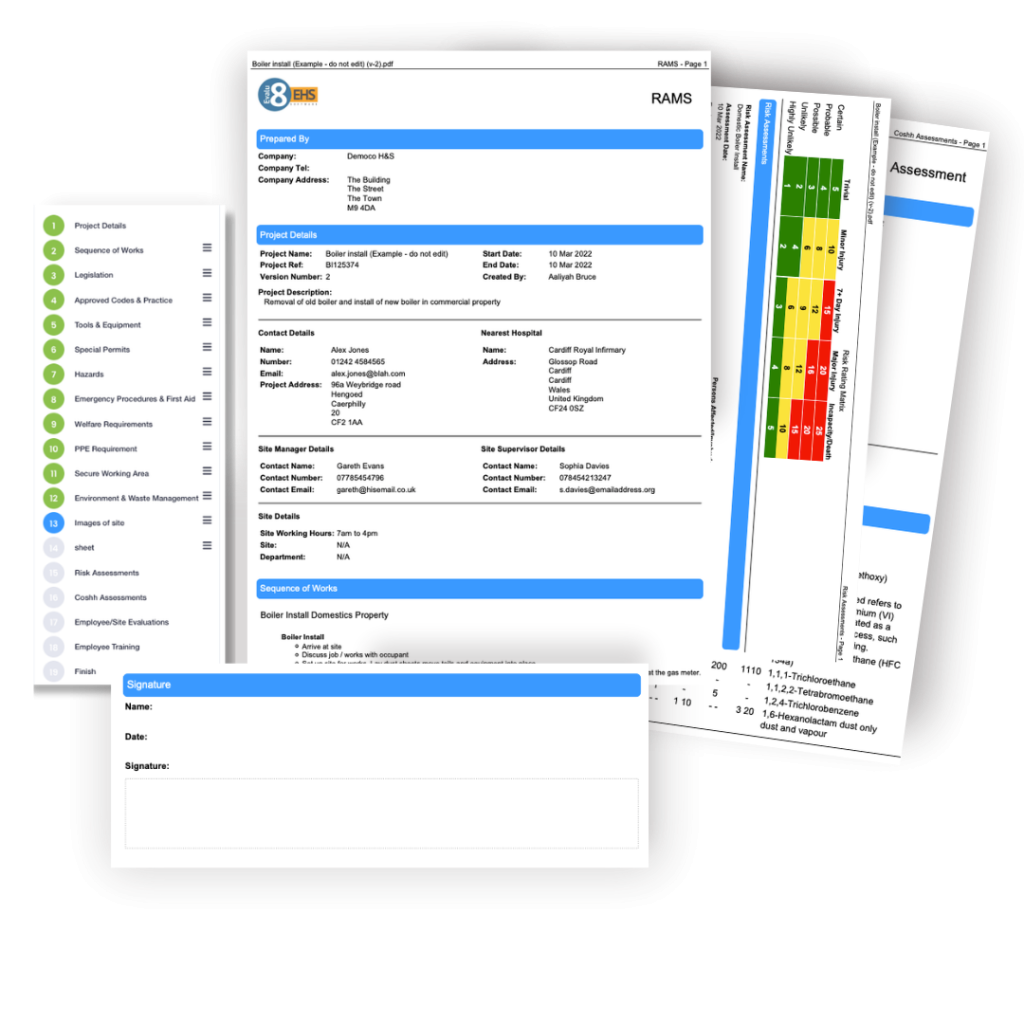
Evalu-8 EHS brings your risk assessments, method statements, site information, drawings, approvals, revisions and installer acknowledgements into one connected system.
You are in good company. Trusted by H&S teams from companies like








The tabs provide a quick overview. Every feature also has its own complete section directly underneath, with a unique page anchor.
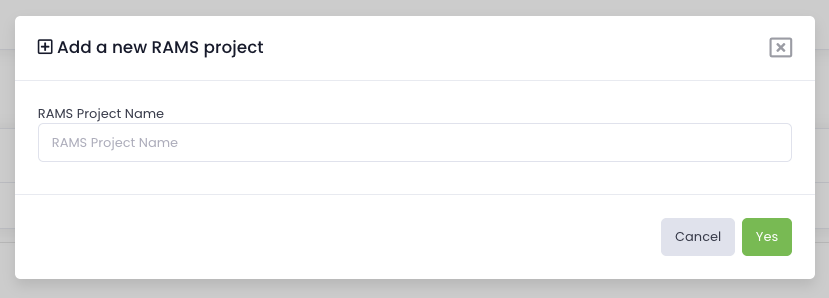
Bring the quotation, survey, specification, drawings and customer information into one structured process.
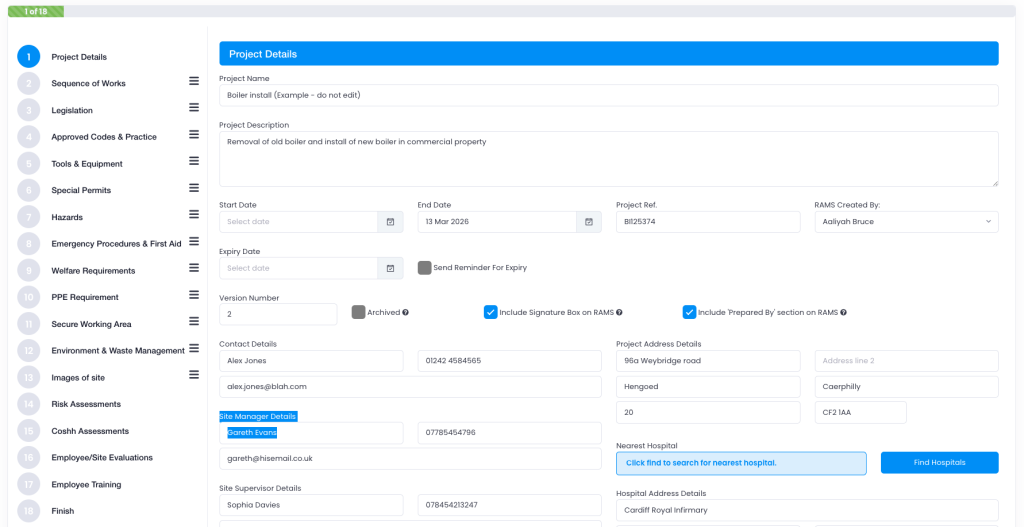
Reuse the controlled parts of repeat work while requiring every author to consider the product, site, access and people affected by the individual job.
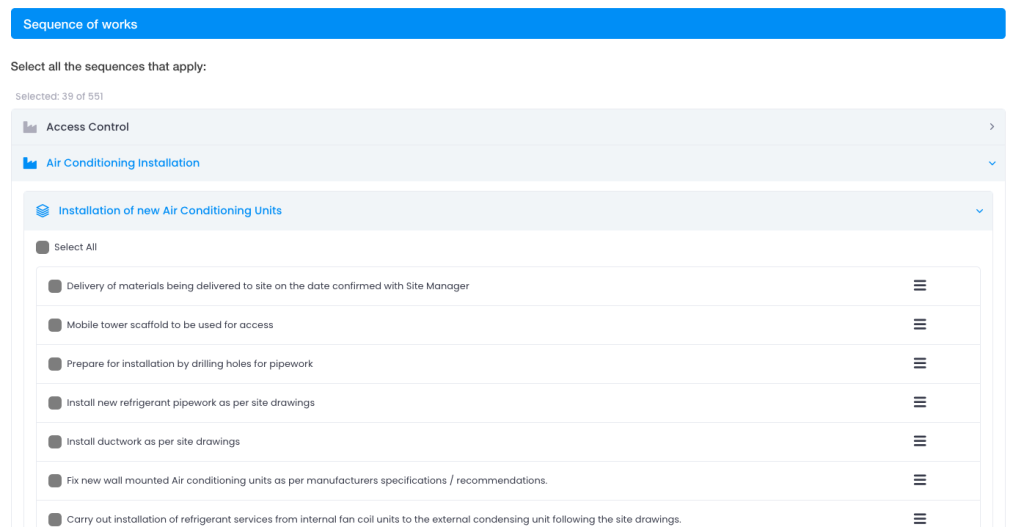
Reflect the delivery route, occupied areas, work location, services, access restrictions and other contractors that can change the method.
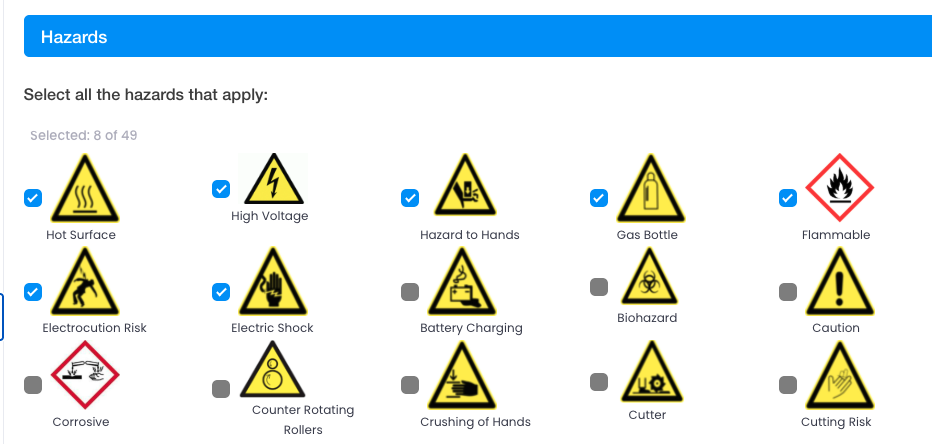
Explain how equipment will be unloaded, moved, positioned, fixed, connected, tested and handed over.
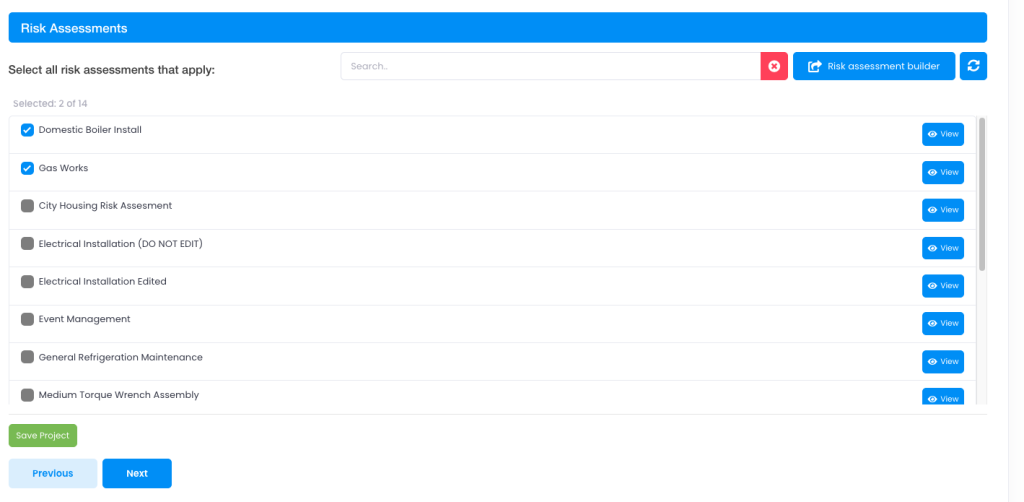
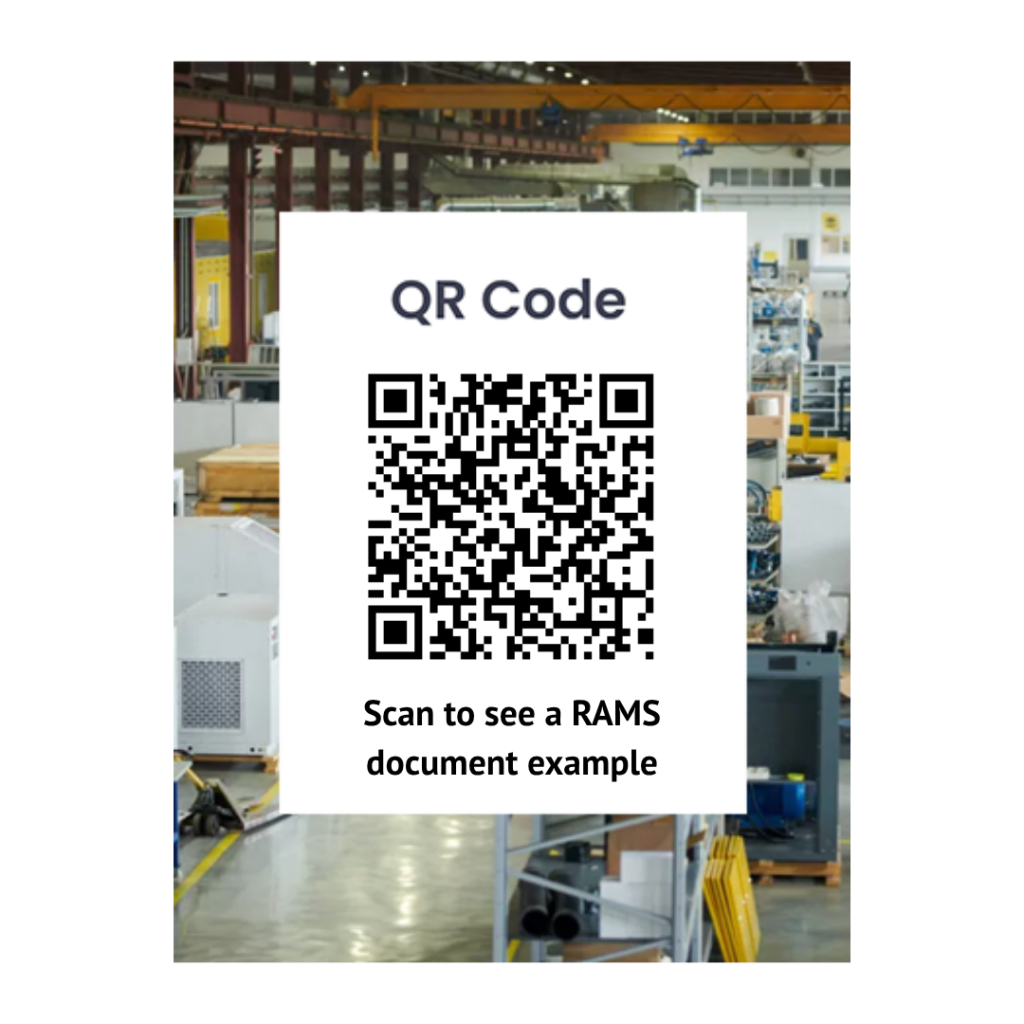
Give installers access at the point of work instead of relying on printed packs, old downloads or attachments saved in individual inboxes.
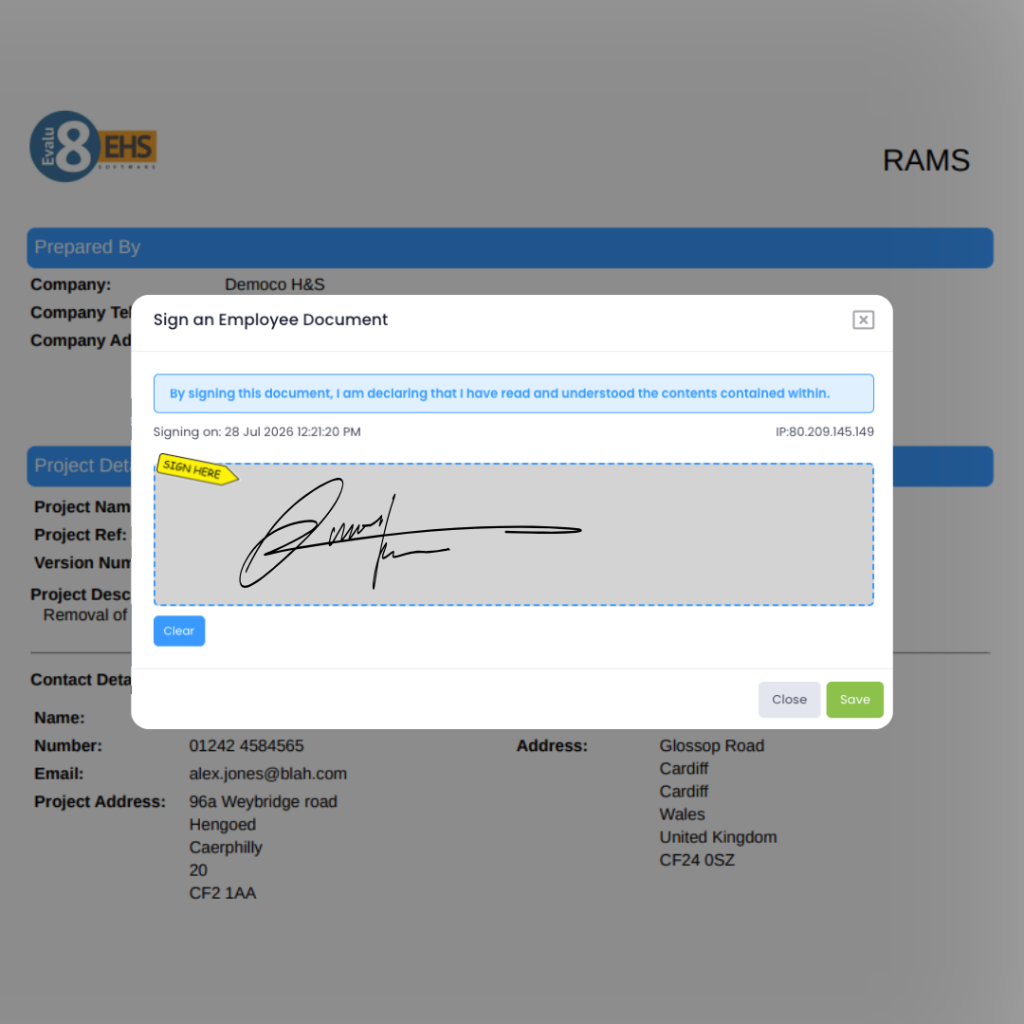
Retain digital acknowledgements against the applicable RAMS and collect fresh sign-off where a material change requires reissue.
Create HVAC RAMS
The information needed to plan an installation often already exists. The problem is that it is divided between the quotation, survey notes, specification, drawings and customer emails.
Evalu-8 gives project and safety teams one structured process for turning that information into RAMS that the reviewer and installation team can follow.
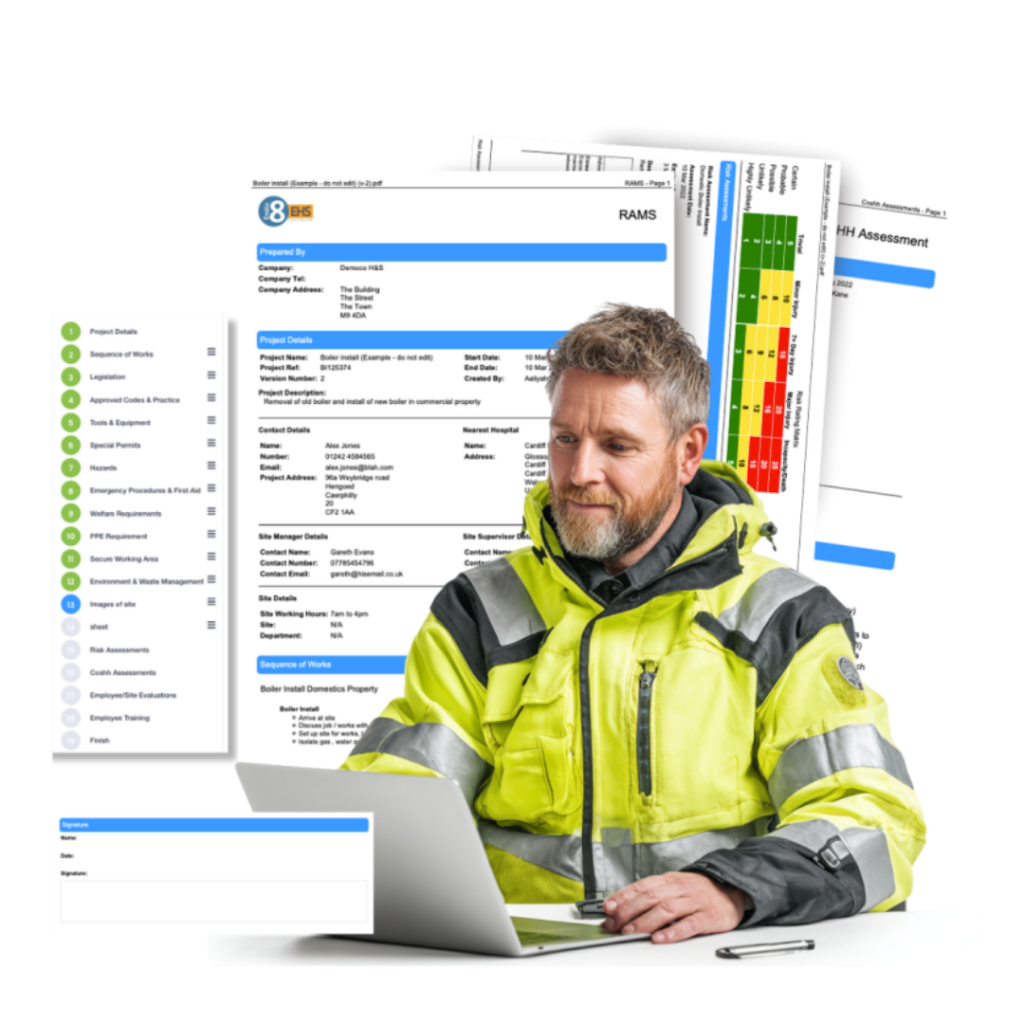
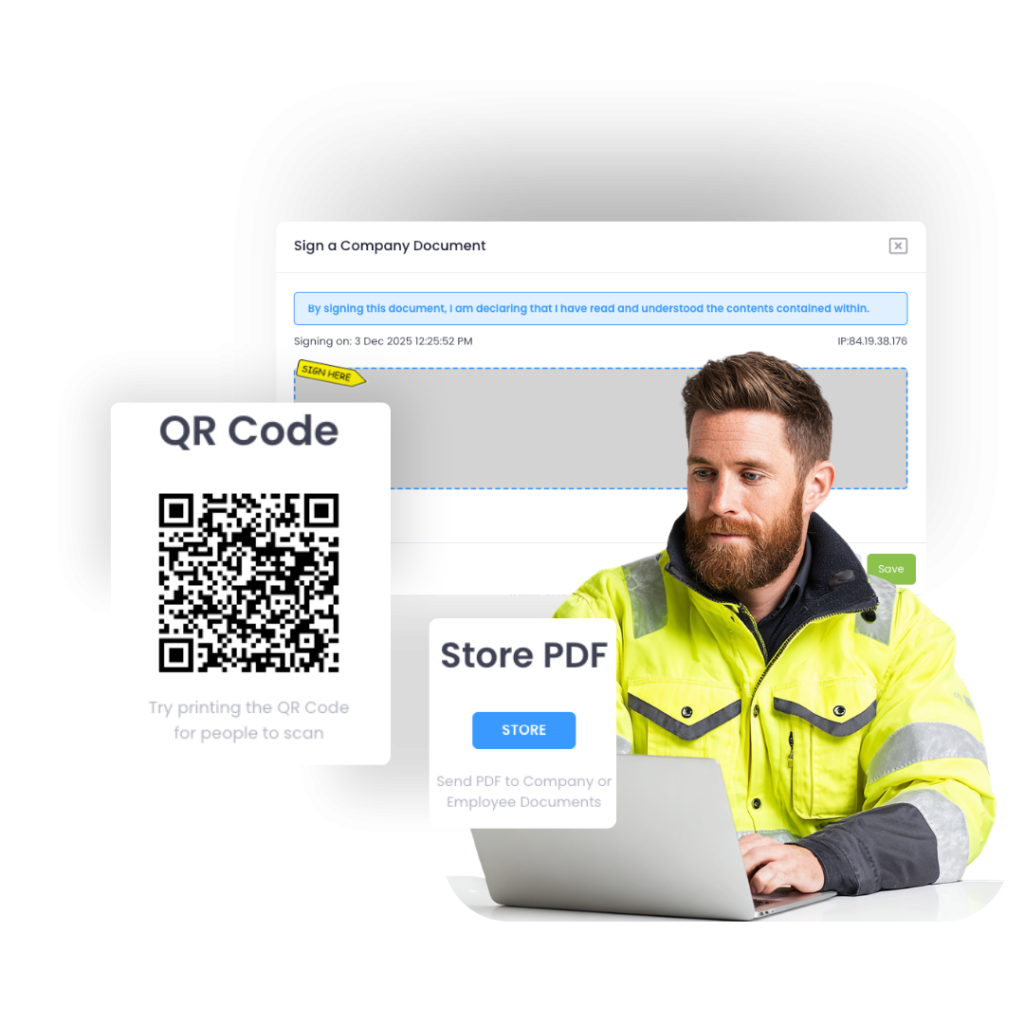
Resolve changes before work begins
A contractor may fit the same racking system, air-conditioning unit, door, machine or commercial product across dozens of customer sites.
The underlying method may be repeatable, but the delivery route, building layout, service connections and people affected can change every time.
Prove the right people received the RAMS
A RAMS should reflect more than the product being fitted. It needs to consider how the equipment reaches the work area, what surrounds the installation point and whether the customer remains operational.
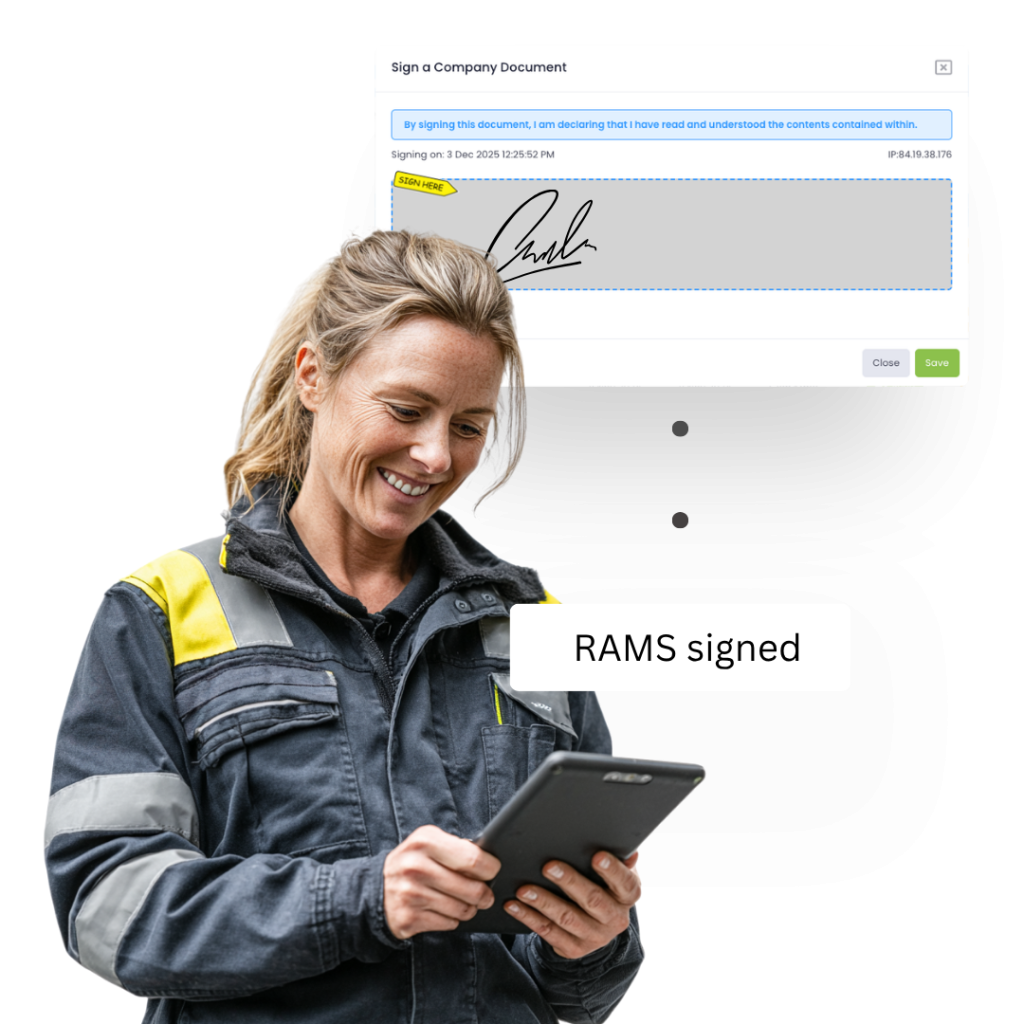
Start from an approved method, then build around the actual customer, supplied equipment, location and installation scope.
Control the risks that sit between delivery and handover, including unloading, internal movement, occupied areas, testing and commissioning.
Keep revisions, approvals and acknowledgements connected when the programme, access, equipment or work method changes.
Follow one installation from project handover and site-specific planning through to approval, issue, acknowledgement and controlled change.
Resolve changes before work begins
The work starts before the installer reaches the final fixing point. Delivery, internal movement, positioning, service preparation and customer handover all form part of the live method.
Use one controlled RAMS process across very different products, sites and customer requirements.
Plan delivery, lifting, isolation, rooftop access, hot work, commissioning and occupied-building controls.
Coordinate unloading, positioning, assembly, guarding, connection and controlled handover inside live factories.
Manage vehicle movement, temporary storage, work at height, drilling, anchoring and the customer’s live warehouse.
Control heavy or fragile materials, temporary openings, public access, lifting and final protection.
Plan work in ceilings, risers and restricted areas, including isolation, drilling, dust, testing and existing systems.
Keep a controlled core method while adding the site-specific access, occupants, layout and restrictions for each location.
Put the current RAMS where the job is happening
A document stored in the project manager’s folder does not help an installer standing in a loading bay, plant room or customer work area.
The RAMS should carry useful information forward rather than forcing the planning process to begin again.
Record access, dimensions, services and assumptions.
Confirm what was sold, excluded and prepared by the customer.
Build the assessment, controls and installation method.
Confirm the approved method still reflects the live site.
Escalate and review material changes before continuing.
Leave the system, work area and records ready for acceptance.
RAMS software helps contractors create, approve, issue and maintain job-specific risk assessments and method statements for work completed at customer sites.
It brings the site, product, people, hazards, controls and installation sequence into one structured document. Supporting plans, photographs and instructions remain connected to the RAMS, while version histories and acknowledgements show which document was issued and who received it.
Captures existing conditions, constraints and access.
Informs the RAMS.Explains how the supplied equipment should be installed.
Supports the method.Details the load, equipment, people and lifting operation.
Referenced in the RAMS.Covers hazardous substances used or generated during work.
Supports safe working.Authorises specific higher-risk activities at the customer site.
Controls the live activity.
UK health and safety law does not require supply and install
businesses to produce a document called a RAMS for every job. It
does require employers and contractors to assess risks, introduce
suitable controls and communicate safe working arrangements to the
people carrying out, supervising or affected by the work.
For delivery, unloading, positioning, installation, testing and
handover, the RAMS should reflect the product being supplied, the
customer site, the access route, the equipment being used and the
conditions surrounding the installation.
Yes. Approved templates, controls and method sections can provide a starting point. The new RAMS should still be checked against the customer, product, access route, installation position and live site conditions.
The survey records the location, access and existing conditions. The RAMS uses that information to assess risk and explain how the installation will be completed safely.
Yes. Mobile and QR access direct field teams to the current approved document and its supporting plans or instructions.
No. The RAMS can show where lifting sits in the overall method, but a suitable separate lifting plan may still be required for the load, equipment, people and specific operation.
Fill in your details and we'll send you a personalised guided tour of the platform — no sales pressure, just a clear look at what Evalu-8 can do for your team.
Speak with one of our EHS specialists and see how Evalu-8 can solve your specific health and safety challenges.






Copyright Evalu-8 Software Ltd 2026
Evalu-8 Software Ltd
Earl Business Centre
Oldham
OL8 2PF
0161 5289466