
Why this simple check prevents rota mistakes
One of the most common scheduling mistakes isn’t complicated.
It happens when scheduled hours drift away from contracted hours without anyone noticing.
Managers focus on filling shifts, ensuring coverage and responding to last-minute changes. But without a simple check between contracted hours and scheduled hours, small imbalances can quickly appear.
Some employees may end up consistently working more hours than their contract, while others receive fewer shifts than expected.
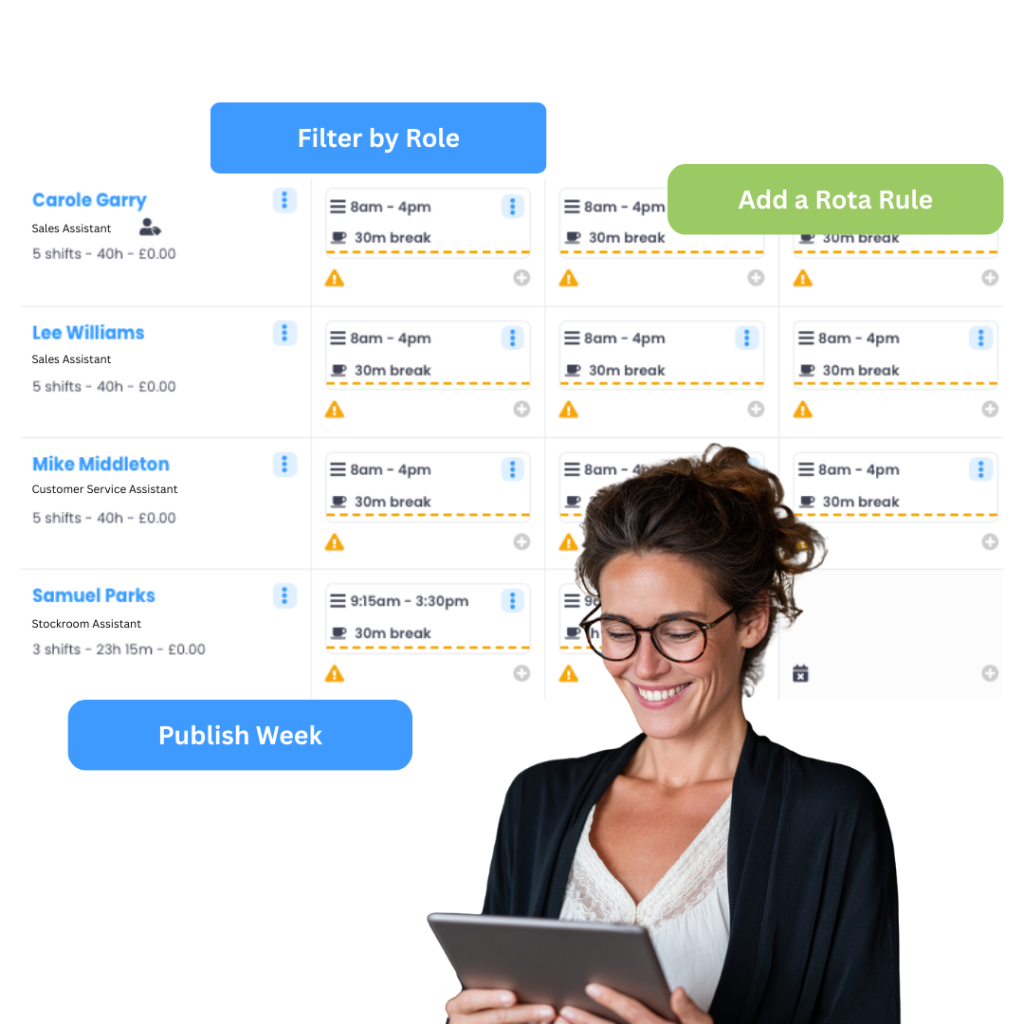
Rota management software helps prevent these issues by giving managers visibility of contracts and scheduled hours while building the rota.
What are contracted hours?
Contracted hours refer to the number of hours an employee has agreed to work as part of their employment contract.
For example, a staff member might have a contract for:
-
36 hours per week
-
Three 12-hour shifts
-
A mix of day and night shifts
These hours define the expected workload and influence several important operational areas such as payroll, overtime thresholds and working time regulations.
When rotas are planned correctly, employees should receive shifts that align with their contracted hours across the rota period.
What are scheduled hours?
Scheduled hours are the hours that appear on the rota.
They represent the shifts a manager assigns during a given scheduling period, whether that’s weekly, fortnightly or across a longer rota cycle.
Because rotas need to adapt to coverage requirements, scheduled hours may vary slightly week to week. However, over the course of the rota cycle, scheduled hours should generally align with the employee’s contracted hours.
When they don’t, mistakes begin to appear.
Where scheduling mistakes usually start
Most rota errors don’t happen because managers lack experience.
They happen because visibility is limited when rotas are built manually.
When teams grow and shifts become more complex, it becomes difficult to track how scheduled hours compare with contracted hours across the entire rota cycle.
Over time, several issues may emerge:
- Overtime slowly accumulates without being noticed
- Some staff consistently receive more hours than others
- Payroll discrepancies appear
- Managers spend time fixing avoidable rota errors
These problems rarely appear immediately. They build gradually as rotas are adjusted week after week.
The simple check managers should always make
Before publishing a rota, managers should take a moment to compare scheduled hours against contracted hours.
This simple review can reveal whether:
-
Staff are consistently exceeding their contracted hours
-
Overtime patterns are beginning to appear
-
Some employees are receiving fewer shifts than expected
Looking at this across the entire rota cycle rather than one week at a time, makes patterns easier to spot. Small adjustments made early can prevent much larger problems later.
Why this check is harder with spreadsheets
Many organisations still manage rotas using spreadsheets.
While spreadsheets are familiar and flexible, they often make it difficult to see how scheduled hours compare with contracted hours across a full rota period.
Managers may need to calculate totals manually or check multiple files to understand the full picture. As scheduling complexity grows, this increases the likelihood that small discrepancies go unnoticed.
Rota software removes much of this manual checking by keeping contracts, shifts and working patterns visible in one place.
How Evalu-8 HR helps prevent contracted vs scheduled hour errors
Preventing rota mistakes becomes easier when managers can see both contracted hours and scheduled hours clearly while building the rota.
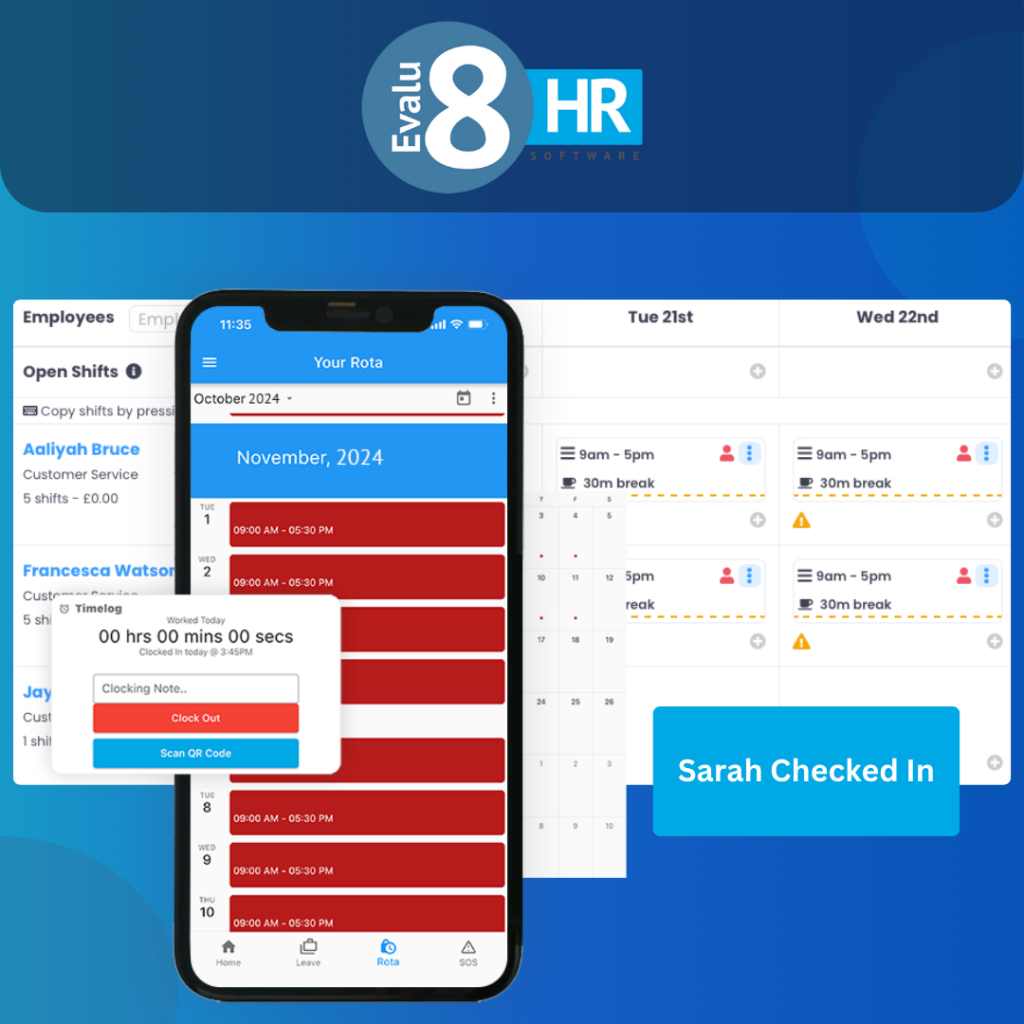
Evalu-8 HR includes rota management software that connects employee contracts with shift scheduling. This allows managers to see how scheduled hours compare with contracted hours as the rota is being created.
Instead of relying on manual checks, managers can review working patterns across the entire rota cycle before publishing the schedule.
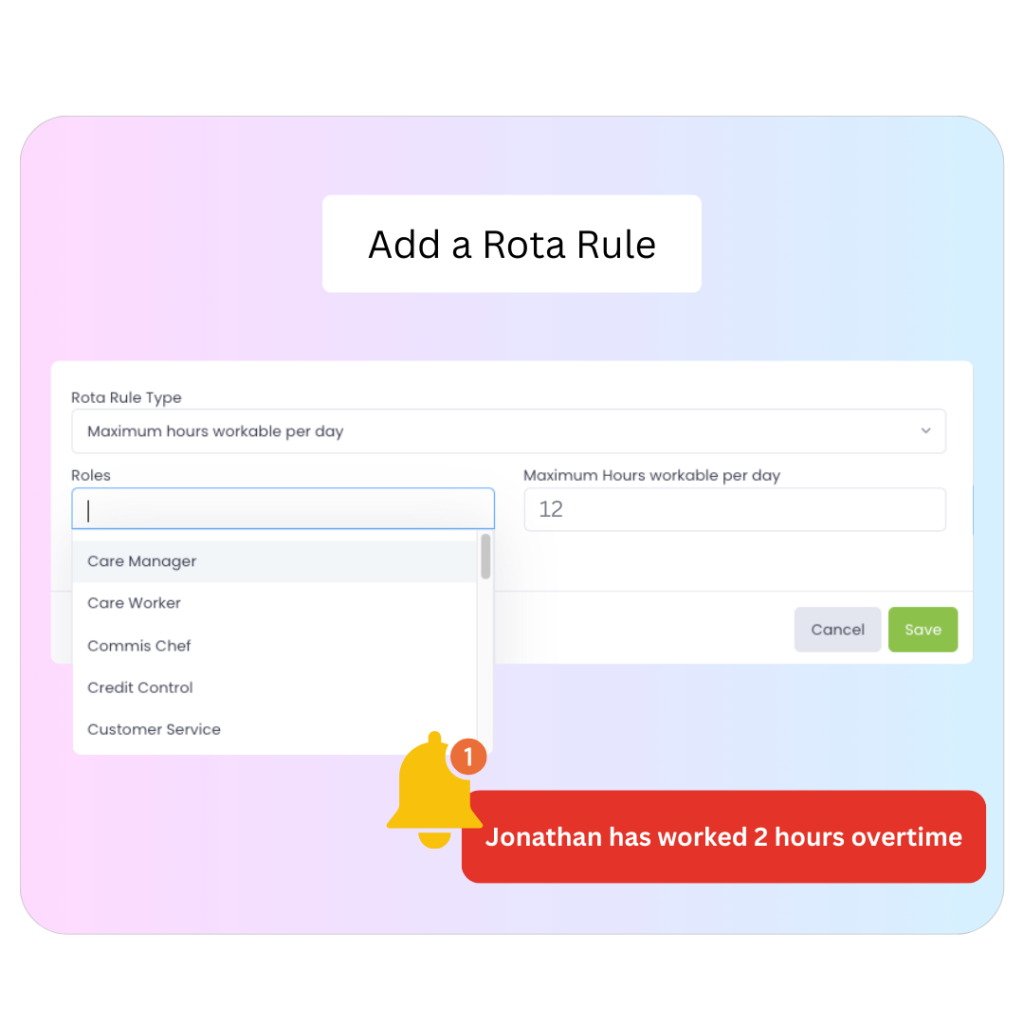
For teams managing complex schedules, this structured visibility makes it easier to:
- Maintain alignment between contracted and scheduled hours
- Identify overtime patterns earlier
- Reduce common rota mistakes
- Improve fairness across the team
- Move away from fragmented spreadsheet scheduling
The aim is not to complicate scheduling. It is to provide the visibility managers need to build accurate rotas with confidence.
Want to see how structured rota management works in practice?
Visit our rota management software page.
Why accurate rotas build trust
Rotas influence more than working hours.
They affect fairness, workload balance and employee trust.
When staff consistently see their contracted hours reflected correctly in the schedule, confidence in the rota process increases. When discrepancies appear repeatedly, frustration can grow.
Maintaining alignment between contracted hours and scheduled hours is therefore an important part of creating a fair and transparent workplace, particularly in sectors such as hospices where staff wellbeing can directly affect continuity of care and service quality.
For hospice providers, this is one of the reasons rota software for hospices can be so valuable, helping teams manage contracted hours more accurately while supporting fairer, more consistent scheduling.
Summary
The difference between contracted hours and scheduled hours is simple, but overlooking it can lead to common rota mistakes.
By regularly comparing scheduled shifts with contracted hours across the rota period, managers can prevent overtime imbalances, payroll errors and fairness concerns.
When supported by rota management software, this check becomes easier and more consistent.
Sometimes the simplest checks make the biggest difference.
FAQs
Contracted hours are the number of hours an employee is expected to work according to their employment contract. Scheduled hours are the shifts assigned to them on the rota.
Rota mistakes often occur when managers focus on filling shifts without reviewing how scheduled hours compare with contracted hours across the rota period.
Managers can prevent many rota errors by reviewing scheduled hours against contracted hours before publishing the rota.
Yes. Rota management software improves visibility of contracts, working patterns and scheduled shifts, helping managers identify discrepancies before the rota goes live.