Fabrication companies do not simply perform one type of work in one controlled environment.
A typical job can move from stock handling and cutting through folding, welding, grinding, finishing, loading, transport, and installation. The same fabricated frame, platform, staircase, guard, duct section or structural assembly may pass through several teams before it reaches the customer’s site.
That makes choosing RAMS software more complicated than finding the quickest document generator.
For fabrication companies that manufacture in a workshop and install on customer sites, Evalu-8 EHS is our best overall choice. It allows RAMS to sit alongside risk assessments, COSHH, equipment records, training, audits, incidents and corrective actions rather than becoming another set of disconnected PDFs.
However, it will not be the right choice for every fabricator. Notify Technology is a credible alternative for larger manufacturing operations; HandsHQ is particularly strong for companies producing frequent client-facing RAMS, and RAMs App provides useful starting content for welding, plasma cutting and other hot work.
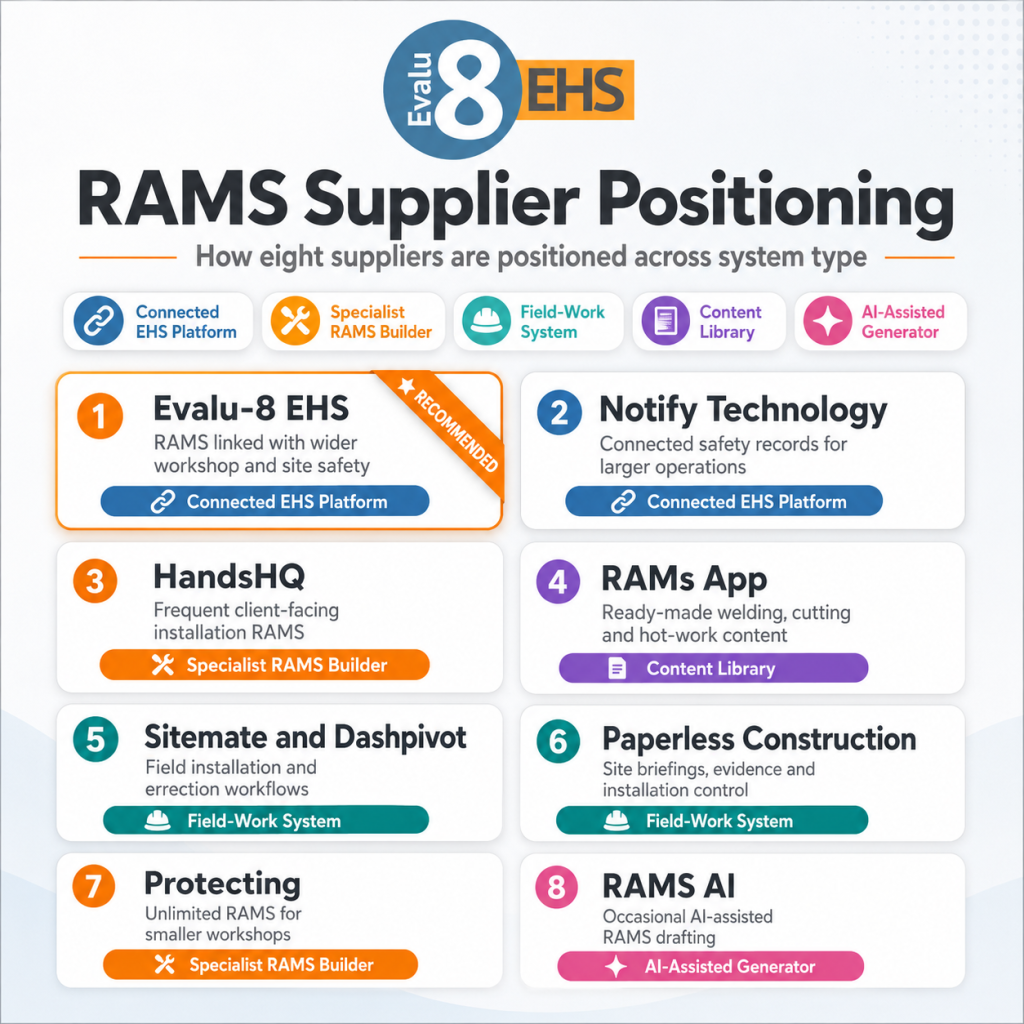
The best RAMS software for fabrication companies at a glance
| Rank | Software | Best for | Published pricing |
|---|---|---|---|
| 1 |
Recommended
Evalu-8 EHS
|
Fabricators wanting RAMS connected with wider workshop and site safety | Core EHS starts at £2.50 per licence per month, with specialist modules priced separately |
| 2 |
Notify Technology
|
Larger fabrication and manufacturing operations requiring connected safety records | Tailored quotation |
| 3 |
HandsHQ
|
Fabricators producing frequent client-facing installation RAMS | From £44 per month for individual plans |
| 4 |
RAMs App
|
Ready-made welding, cutting and hot-work content | £449 plus VAT per year for the annual single-user package |
| 5 |
Sitemate and Dashpivot
|
Fabrication teams carrying out field installation and erection work | Per-user or enterprise pricing |
| 6 |
Paperless Construction
|
Site briefings, workforce evidence and installation control | Per-user packages and tailored pricing |
| 7 |
Protecting
|
Smaller fabrication workshops wanting unlimited RAMS at a fixed price | £39 per month |
| 8 |
RAMS AI
|
Occasional AI-assisted RAMS drafting | PAYG credit packs from £29.97 |
Quick recommendation: Choose Evalu-8 when RAMS needs to form part of the complete safety process across the workshop and customer sites. Consider Notify when manufacturing-wide safety reporting is the priority, HandsHQ when producing polished client packs is the main problem, and RAMS App when ready-made hot-work content would provide the fastest starting point.
Why fabrication companies need a different type of RAMS software
Fabrication work rarely follows a straight line from raw material to finished product.
The job may begin with unloading steel sections, sheet, tube, or plate. It can then move through bandsaws, guillotines, laser or plasma cutters, press brakes, drills, punches, lathes, welding bays, grinding areas and finishing processes.
Once fabrication is complete, the product may need to be:
- Turned, lifted or repositioned within the workshop
- Inspected or tested
- Painted, coated, blasted or treated
- Loaded onto a vehicle
- Transported to a customer
- Unloaded using a crane, forklift or telehandler
- Installed inside a live factory, warehouse or public building
- Welded, bolted, anchored or adjusted on site
- Tested and handed over
The risks also change between those stages.
HSE guidance for engineering workshops highlights machinery, welding, metalworking fluids, manual handling, noise, hazardous substances, work at height and workplace transport as important areas of control. It also expects suitable maintenance and testing records for lifting equipment, pressure systems and extraction equipment.
For welding specifically, HSE states that all welding fume can cause lung cancer and that employers must put suitable controls in place. Its guidance prioritises avoiding or reducing exposure, using local exhaust ventilation to capture fume at source and providing suitable respiratory protection where required.
Fabrication businesses may also need to control:
- Hot work and ignition sources
- Welding and cutting fume
- Grinding dust and abrasive-wheel use
- Noise and hand-arm vibration
- Sharp edges and unfinished material
- Guillotines, press brakes and other dangerous machinery
- Compressed gases and gas-cylinder storage
- Handling and turning large or unstable fabrications
- Overhead cranes, lifting beams, chains, slings and accessories
- Forklift and delivery-vehicle movements
- Work at height during fabrication or installation
- Temporary stability during structural erection
- Electrical or mechanical isolation
- Coatings, paints, solvents, pickling products and cleaning chemicals
- Other trades working around the installation area
- Drawing, material or installation changes after work has started
Good RAMS software for fabrication therefore needs to do more than list “welding”, “manual handling” and “PPE” as generic hazards.
It should help the author explain the real sequence of work, the equipment involved, how the component will be supported and moved, what happens at the customer’s site and which supporting documents govern the job.
Workshop RAMS and installation RAMS are not the same thing
Fabrication companies should also be careful not to treat RAMS as the answer to every workshop safety requirement.
A routine operation on a fixed press brake or bandsaw may be better controlled through a suitable risk assessment, machine-specific safe system of work, guarding, training, maintenance and supervision.
PUWER requires work equipment risks to be controlled, normally prioritising fixed or interlocked guards where people could reach dangerous moving parts. A generic method statement cannot compensate for inadequate guarding or an unsafe machine.
RAMS becomes especially important where the work is:
- Non-routine
- Project-specific
- Higher risk
- Carried out on a customer’s site
- Dependent on a planned lifting sequence
- Affected by temporary stability
- Coordinated with other contractors
- Subject to permits or isolations
- Likely to change according to access or site conditions
The best platform for a fabrication company should therefore support both sides of the operation: controlled workshop safety records and project-specific RAMS for installation, maintenance, modification and erection work.
How we compared the software
This article was produced by Evalu-8, which provides one of the systems included in the list.
We have ranked Evalu-8 first, but we have not treated it as the best option for every fabrication business. Each supplier has been assessed against a fabrication-specific buying standard.
Product and pricing information was reviewed on 29 July 2026. Buyers should confirm current packages, functionality and contractual terms directly with each supplier.
The comparison considers:
- Workshop and site coverage: Can the platform support both fabrication activities and installation work?
- Sequence control: Can users describe cutting, forming, assembly, welding, finishing, lifting and installation in the correct order?
- Equipment context: Can machinery, lifting equipment, access equipment and supporting records be included?
- Drawing and document control: Can users attach fabrication drawings, installation drawings, lift plans, COSHH information and other evidence?
- Hot-work and COSHH support: Can the system manage welding, cutting, coatings and hazardous substances properly?
- Competency and briefing: Can the business identify and communicate requirements to welders, fabricators, installers, crane users and subcontractors?
- Approval and revision control: Can the document be reviewed, approved, changed and reissued when the design, material, site or sequence changes?
- Field access: Can the installation team reach and acknowledge the current version away from the workshop?
- Wider safety management: Can incidents, inspections, equipment issues and corrective actions feed back into the control process?
- Commercial fit: Does the software suit the likely number of authors, employees, sites and documents?
We have not created a synthetic numerical score. The products cover different categories and public feature descriptions do not prove that every workflow works in the same way.
1. Evalu-8 EHS: Best overall RAMS software for fabrication companies
Best for
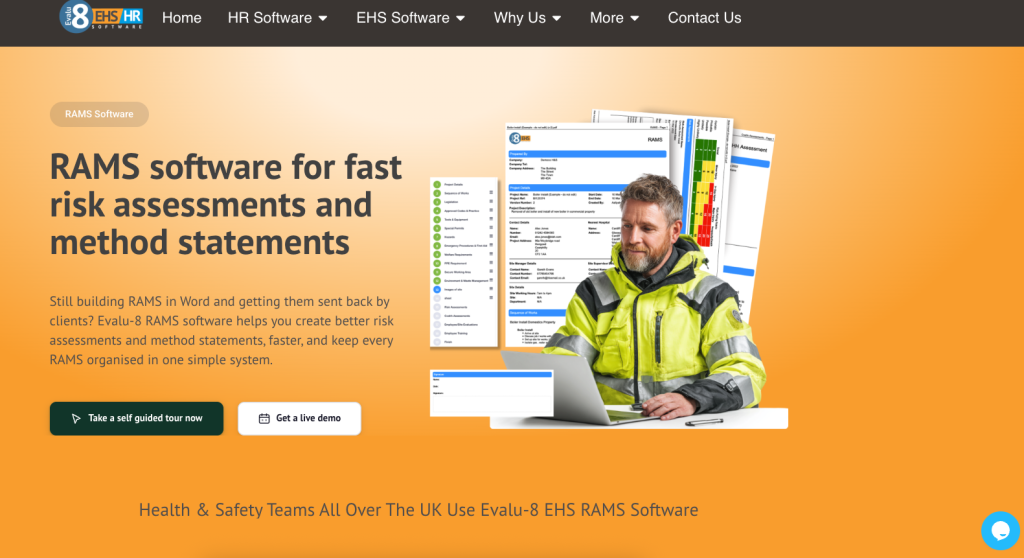
Fabrication businesses that want to manage workshop risks, project RAMS, and installation evidence within one wider EHS system.
Why Evalu-8 suits fabrication companies
Evalu-8 allows fabricators to create structured Risk Assessments and Method Statements using company-controlled libraries of hazards, control measures and work sequences.
A fabrication business could maintain approved method content covering activities such as:
- Receipt and movement of metal stock
- Cutting and profiling
- Drilling and preparation
- MIG, TIG or MMA welding
- Grinding and finishing
- Assembly and dimensional checking
- Loading and transport
- Site unloading
- Positioning and lifting
- Installation, bolting or site welding
- Testing and handover
The author can then adapt that content around the actual component, material, drawing revision, machinery, lifting method, installation location and customer requirements.
That matters because two apparently similar fabrication jobs can require very different controls.
Installing a mild-steel access platform inside an empty warehouse is not the same as installing one above operational production machinery. The fabrication may be similar, but the access, lifting, isolation, temporary works, falling-object and coordination requirements are not.
Evalu-8 supports attachments such as drawings, diagrams, photographs and plans. Completed RAMS can be distributed for digital sign-off, exported as branded PDFs or accessed through QR codes. The system also records timestamps, acknowledgements, review dates and document history.
Its wider EHS modules are the main reason it ranks first.
The same platform can also support:
- Risk assessments
- COSHH assessments
- Training and competency records
- Equipment and asset management
- Audits and inspections
- Contractor management
- Accident and incident reporting
- Corrective actions and tasks
- Documents and signatures
- Environmental management
- Dashboards and reports
An equipment inspection, for example, may reveal a problem with a lifting accessory or extraction unit. An incident investigation may identify a weakness in the installation sequence. Those findings can lead to actions and a review of the relevant controls without relying on several disconnected systems.
Pricing
Evalu-8 Core EHS starts from £2.50 per licence per month. RAMS and other specialist modules are added according to the required package, so fabrication companies should request a complete quotation covering authors, managers, workshop employees, installation teams and occasional users.
Strengths
RAMS forms part of a wider EHS platform
Suitable for workshop and installation activity
Organisation-controlled method-statement and control libraries
Attach drawings, lifting information, photographs and supporting evidence
Digital signatures, timestamps and acknowledgements
QR access to the current version
Review reminders and version history
Wider equipment, inspection, incident and action management
Modular model can expand as the fabrication company grows
Limitations
More functionality than a small workshop producing occasional RAMS may need
Full RAMS package pricing requires a quotation
The company must invest time in building and governing its approved content
Specialist production functions such as nesting, estimating, weld traceability and manufacturing resource planning sit outside its core purpose
Demonstration test
Ask the supplier to create RAMS for the fabrication and installation of a steel access platform.
The workflow should include:
Material handling and workshop fabrication
Welding and grinding controls
Internal lifting and turning
Loading and transport
Crane or telehandler unloading
Temporary stability
Work at height
Bolting or site welding
Final inspection and handover
Halfway through the demonstration, change the installation drawing and crane position. Ask the supplier to revise the RAMS, route it for reapproval, withdraw the old version and show what the installation team sees.
Verdict
Evalu-8 is the strongest overall choice for fabrication companies that want RAMS to connect with the workshop, equipment, people, incidents, inspections and corrective actions.
It is particularly relevant to fabricators moving from workshop-only production into larger supply-and-install contracts.
2. Notify Technology: Best connected alternative for larger fabrication operations
Best for
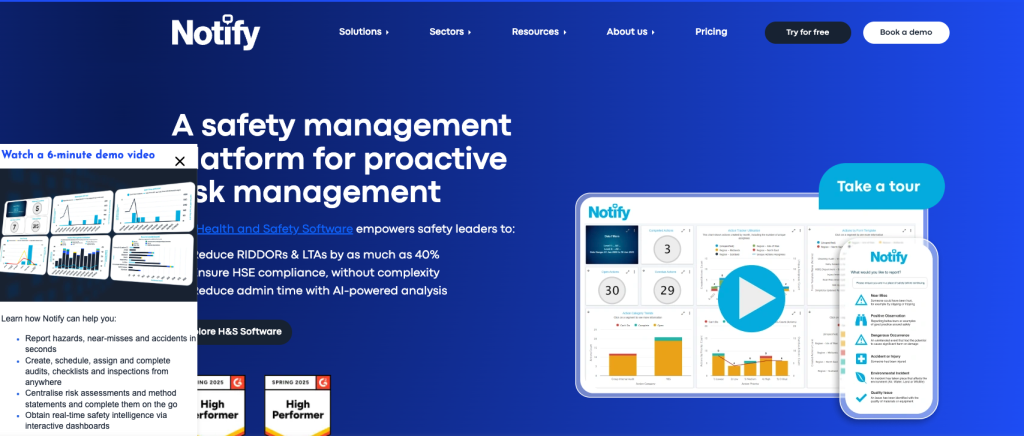
Larger or multi-site fabrication companies that want RAMS connected with incident reporting, audits, observations and wider safety intelligence.
Why Notify suits fabrication companies
Notify provides online RAMS software alongside other health and safety applications.
Its RAMS product supports reusable templates, digital read-and-sign actions, document review reminders and audit trails. Notify also states that incidents can be linked with risk assessments and method statements, allowing information from an event to inform the relevant safety records.
That connection is useful in a fabrication environment.
If a near miss occurs while a large assembly is being turned, the investigation may reveal that the support method, lifting points or exclusion zone were not explained clearly enough. The value of the system is not simply recording the incident. It is being able to connect the finding with the assessment and working method that now require review.
Notify also positions its wider software for manufacturing businesses, including audits, inspections, incident management and digital safety processes.
Pricing
Notify does not publish a standard RAMS price. Packages are provided through a tailored quotation.
Fabrication companies should ask whether the proposed price includes:
RAMS
Incident reporting
Audits and inspections
Mobile access
Offline use
Reporting
Implementation
Support
Additional sites or business units
Strengths
Dedicated online RAMS capability
Read-and-sign evidence
Review reminders and audit trail
Connection between incidents and safety records
Manufacturing-sector positioning
Wider audits, inspections and reporting
Suitable for distributed operations
Limitations
No transparent standard pricing
Product breadth may be unnecessary for smaller fabricators
Public information does not indicate dedicated fabrication template content
Buyers should test equipment, contractor and permit interfaces in detail
Demonstration test
Use a near miss involving an overhead crane and a partly fabricated assembly.
Ask the supplier to show how the incident is reported, investigated and linked to the relevant RAMS. Then ask how an action is assigned, the lifting method is revised, and affected employees are informed of the new version.
Verdict
Notify is a credible alternative for fabrication companies that want a wider health and safety platform with a clear connection between planned controls and incident learning.
It is more likely to suit a multi-site manufacturer or larger engineering group than a small independent workshop.
3. HandsHQ: Best specialist RAMS platform for client-facing fabrication work
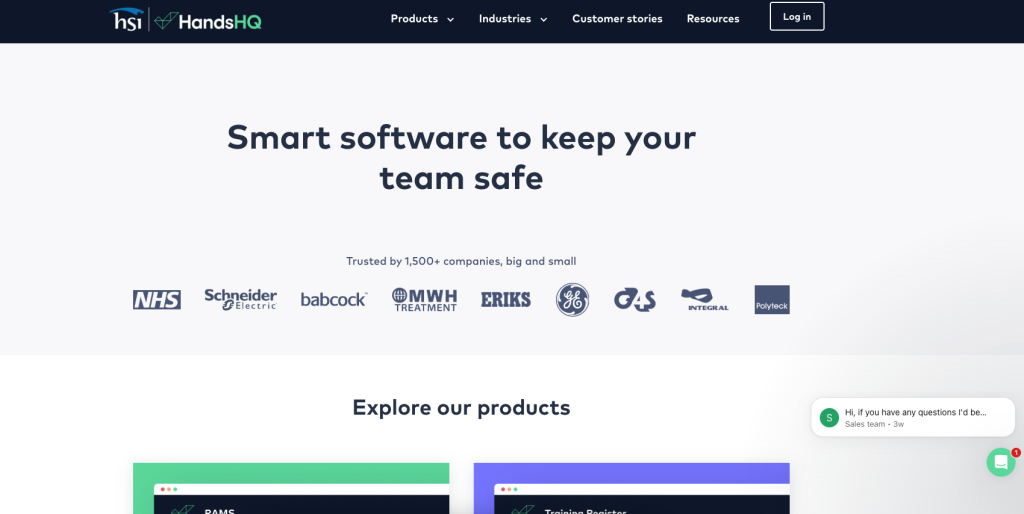
Best for
Structural steel, architectural metalwork, and specialist fabrication contractors produce frequent RAMS for customers, principal contractors, and major projects.
Why HandsHQ suits fabrication companies
HandsHQ is a specialist RAMS platform designed around the production of professional, structured documents.
This makes it particularly relevant when fabrication companies regularly submit RAMS for:
- Steel erection
- Staircase and balustrade installation
- Plant platform installation
- Architectural metalwork
- Secondary steelwork
- On-site welding
- Factory shutdown projects
- Equipment guards and access systems
- Pipework or mechanical fabrication
- Repair and modification work
The system supports reusable content, workforce records, digital signatures, approval workflows and revision history, depending on the selected package.
HandsHQ also provides integrations with Procore and Simpro. Approved RAMS can be sent into Procore projects, while Simpro jobs can trigger RAMS creation and receive the approved document back.
Those integrations could be useful for fabrication contractors working within larger construction projects or using field-service software to coordinate installation jobs.
Pricing
Individual plans currently start from:
Basic: £44 per month for one RAMS per month
Advanced: £99 per month for three RAMS per month and unlimited COSHH assessments
Pro: £190 per month for up to three users, six RAMS per month, COSHH and revision history
Teams and enterprise packages use custom pricing. Published monthly figures exclude VAT.
Strengths
Specialist RAMS workflow
Professional client-facing document output
Approval workflows on relevant plans
Revision history and reasons for editing
Workforce profiles and digital signatures
COSHH available on relevant packages
Procore and Simpro integrations
Suitable for fabrication contractors submitting RAMS at volume
Limitations
Monthly document limits apply to several individual packages
Costs can rise as the number of authors and RAMS increases
Wider equipment, audit, incident and environmental needs may require other systems
Buyers should test the depth of fabrication-specific content rather than assume general contractor templates will be sufficient
Demonstration test
Use a live project involving the fabrication and installation of a staircase within an occupied commercial building.
Ask the supplier to include:
Delivery restrictions
Manual and mechanical handling
Protection of finished surfaces
Temporary openings
Work at height
Drilling and anchoring
Hot work restrictions
Public exclusion
Drawing approval
Change control
Then ask how the approved document reaches the client and installation team.
Verdict
HandsHQ is one of the strongest choices for fabrication contractors whose immediate problem is producing consistent, professional RAMS that satisfy demanding customers.
It may be less suitable when the business wants RAMS, equipment, audits, incidents and actions inside one wider system.
4. RAMs App: Best for ready-made welding and hot-work content
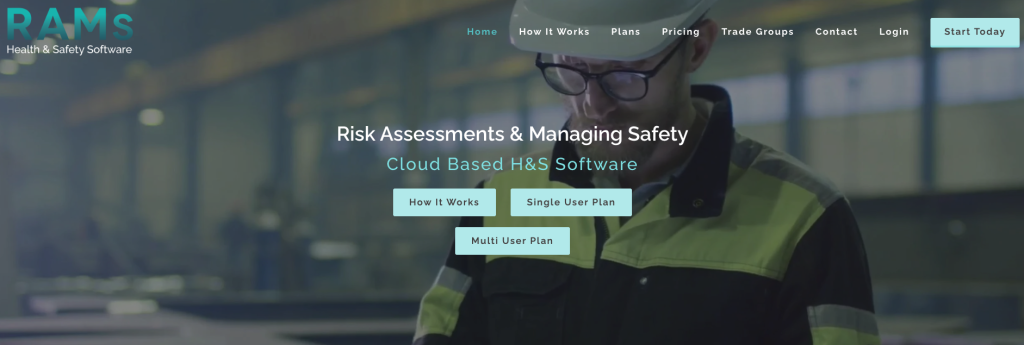
Best for
Smaller and medium-sized fabrication companies that want a content-led starting point for common welding, cutting and installation activities.
Why RAMs App suits fabrication companies
RAMs App provides pre-written risk-assessment and method-statement content that users can edit around the job.
Its hot-work section explicitly includes:
- MIG welding
- TIG welding
- Plasma cutting
- Other associated hot-work activities
Users can enter project details, select identified hazards, use existing content, add their own information and produce branded documents. RAMS can also be duplicated and adapted for future work.
This makes RAMs App particularly relevant to a fabrication company that has not yet developed a controlled internal library.
A small steel fabricator, for example, may need a quicker starting point for workshop welding, mobile welding, equipment installation and site modification work without writing every basic control from a blank page.
The wider package includes risk assessments, method statements, COSHH assessments, toolbox talks, templates and training-related functions.
Pricing
The annual unlimited single-user or small-business package currently costs £449 plus VAT per year.
Multi-user packages with additional functions are available separately, and buyers should confirm current pricing directly.
Strengths
Explicit welding and hot-work content
MIG, TIG and plasma-cutting starting material
Editable risk assessments and method statements
Document duplication
COSHH assessments
Toolbox talks and templates
Predictable annual single-user price
Suitable starting point for smaller fabricators
Limitations
Pre-written content still requires competent, job-specific review
A welding activity cannot be assessed properly without considering the material, coating, process, duration, location and extraction
Wider equipment and incident-management integration may be more limited than a connected EHS platform
Buyers should test approval, version-control and multi-site reporting requirements
Demonstration test
Ask the supplier to create RAMS for welding a stainless-steel frame in the workshop and completing a final site weld inside a customer’s building.
The demonstration should show how controls change according to:
Welding process
Base material
Existing coatings
Workshop LEV
Site ventilation
Fire risk
Nearby combustible material
Hot-work permit
RPE
Post-work fire watch
Verdict
RAMs App is one of the most industry-relevant content options because it explicitly supports common fabrication processes such as MIG welding, TIG welding and plasma cutting.
It is a strong starting point, but the company remains responsible for adapting every assessment to its materials, equipment, environment and actual method.
5. Sitemate and Dashpivot: Best for field installation and erection teams
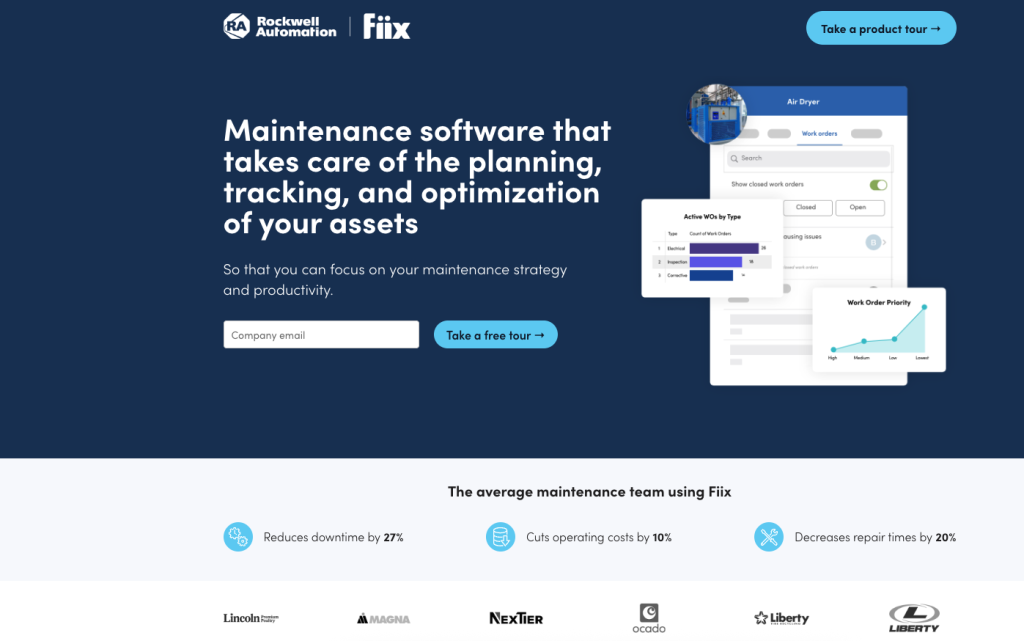
Best for
Fabricators carrying out substantial installation, erection, shutdown or modification work across customer sites.
Why Sitemate suits fabrication companies
Sitemate’s RAMS App is delivered through the Dashpivot platform and places more emphasis on field processes than a conventional document generator.
The platform supports configurable forms, digital approvals, notifications, audit trails, mobile access and dashboards. Its AI assistant can also build templates from existing procedures and help populate fields using available project information.
This could suit fabrication companies whose main challenge appears after the product leaves the workshop.
Examples include:
- Structural-steel erection
- Installing platforms and access systems
- Site welding and modification
- Factory-shutdown installations
- Conveyor or machinery-support steelwork
- Pipe-support fabrication and installation
- Architectural metalwork
- Replacing guards or access structures
- Multi-site rollout programmes
Dashpivot works through web and mobile applications, including offline mobile operation. Sitemate also provides access models for frontline workers and external parties who need to sign or contribute to records without requiring full management licences.
Pricing
Sitemate uses per-user pricing with several plan levels, alongside an enterprise-unlimited model.
The public pricing tool varies according to team size and configuration, so fabrication companies should request a quotation based on managers, supervisors, installers, subcontractors and external signatories.
Strengths
Strong mobile and field-work capabilities
Online and offline access
Configurable RAMS forms and workflows
Notifications, approvals and audit history
AI-assisted template creation and form completion
Frontline and external-user access options
Dashboards across projects, teams and locations
Suitable for installation-heavy fabrication companies
Limitations
Broader platform requires more configuration than a simple RAMS builder
Fabrication-specific libraries may need to be created internally
Buyers should validate UK terminology and governance
Workshop equipment and COSHH requirements may require configured forms rather than dedicated native workflows
Pricing is not immediately visible without entering team requirements
Demonstration test
Use the erection of a steel frame or mezzanine within a live manufacturing facility.
Ask the supplier to demonstrate:
Offline site access
Crane and lifting information
Temporary stability
Work-at-height controls
Installation sequence
Other contractors in the work area
Drawing attachments
Supervisor approval
Workforce sign-on
Revision after a site obstruction changes the sequence
Verdict
Sitemate is a strong option for fabrication companies whose operational risk is concentrated in site installation rather than workshop document creation.
Its field access and configurable workflows are attractive, but buyers should expect to invest more time in system design and governance.
6. Paperless Construction: Best for briefing installation RAMS and retaining evidence
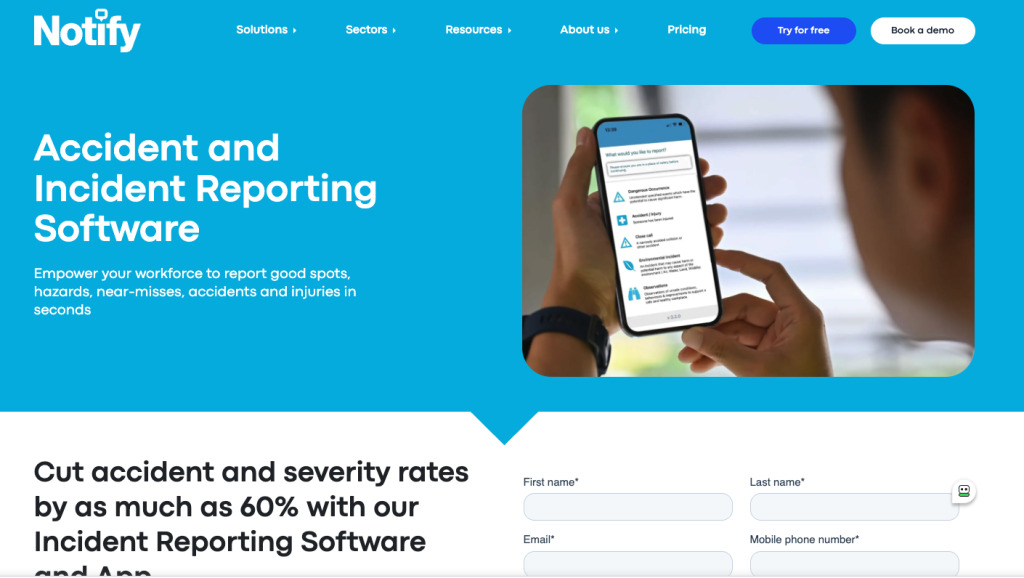
Best for
Fabrication subcontractors working on construction sites where workforce briefings, competency evidence, and document traceability are major requirements.
Why Paperless Construction suits fabrication companies
Paperless Construction focuses on the gap between creating a RAMS and proving that it reached the people doing the work.
The platform supports digital briefings, attendance records, competencies, documents, permits, forms, checklists, photographs and workforce management, depending on the package. Its RAMS workflow is designed to connect the document with briefing evidence so supervisors can show which information was issued and who attended.
This matters during fabrication installation work.
A subcontractor may have an approved method for installing secondary steelwork, but the practical questions are:
- Was the installation gang briefed?
- Which revision did they receive?
- Were the slinger and MEWP operator competencies checked?
- Were late arrivals briefed separately?
- Was the changed lift sequence communicated?
- Can the company retrieve that evidence after the project?
Paperless also includes HAVS functionality on relevant packages, which may be useful for installation teams using grinders, breakers, drills and impact tools.
Pricing
Paperless offers Basic, Core and Pro packages using a per-user model, together with a two-week free trial.
The current public pricing page directs buyers to a calculator rather than displaying one universal starting figure. Fabrication companies should confirm which package includes the required briefing forms, permits, photographs, HAVS and online-access functions.
Strengths
Strong RAMS briefing process
Attendance and evidence linked with documents
Workforce competency management
Permit and checklist functions on relevant plans
HAVS functionality
Photographic site evidence
Cross-project reporting
Useful for construction and installation subcontractors
Limitations
More focused on site delivery than workshop EHS
Buyers need to distinguish RAMS creation from RAMS briefing functionality
Several useful functions require Core or Pro packages
May be excessive for fabricators that rarely install on site
Complete pricing depends on users and package selection
Demonstration test
Ask the supplier to brief RAMS for the installation of architectural metalwork across several floors of a live project.
Add one operative after the original briefing and issue a revised drawing later in the day. The supplier should show exactly how both events are recorded and how the business proves which version each person received.
Verdict
Paperless Construction is particularly relevant when the fabrication company already produces acceptable RAMS but struggles to brief installation teams and retain reliable site evidence.
It is better viewed as a workforce-control and delivery platform than a simple workshop RAMS generator.
7. Protecting: Best fixed-price option for smaller fabrication workshops
Best for
Small fabrication companies want a straightforward way to create unlimited RAMS, risk assessments, and COSHH records.
Why Protecting suits fabrication companies
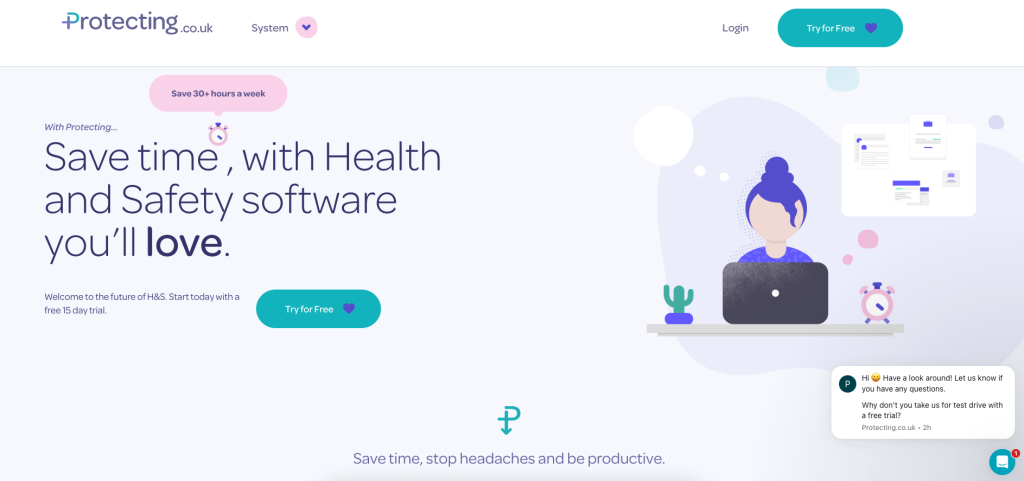
Protecting provides a guided online RAMS creator using templates and pre-set examples.
Users can create unlimited RAMS, add company branding, edit documents, store them in the cloud and download completed copies. The wider subscription also includes risk assessments, COSHH assessments, actions, accident reports, training and safety documents.
This could be a practical step up for a small fabrication workshop currently relying on individual Word documents.
Its flat monthly price also means the company does not have to predict how many RAMS it will produce or purchase credits for each new job.
Pricing
Protecting costs £39 per month, includes unlimited access and can be cancelled at any time. A 15-day free trial is available.
Strengths
Fixed monthly price
Unlimited RAMS
Risk assessments and COSHH included
Step-by-step creation
Branded documents
Cloud storage
Accident reports, actions and training functions
Free trial
Accessible for smaller businesses
Limitations
Less advanced approval and reporting than larger EHS systems
Fabrication-specific content depth should be tested
Buyers should inspect version-control and workforce-acknowledgement requirements
May not support complex permissions across several sites or divisions
Software simplicity cannot replace machinery guarding, extraction, supervision or engineering controls
Demonstration test
Ask the supplier to create RAMS covering a small workshop fabrication job followed by customer-site installation.
Check whether the author can clearly separate:
Workshop machinery controls
Welding and grinding
Material movement
Transport
Unloading
Installation
Site-specific conditions
Verdict
Protecting offers a clear and affordable route away from scattered documents.
It is most likely to suit a smaller fabrication business with straightforward approval requirements and a limited number of people managing safety records.
8. RAMS AI: Best for occasional AI-assisted fabrication RAMS
Best for
Small fabrication contractors that create RAMS occasionally and want AI support with the initial draft.
Why RAMS AI suits fabrication companies
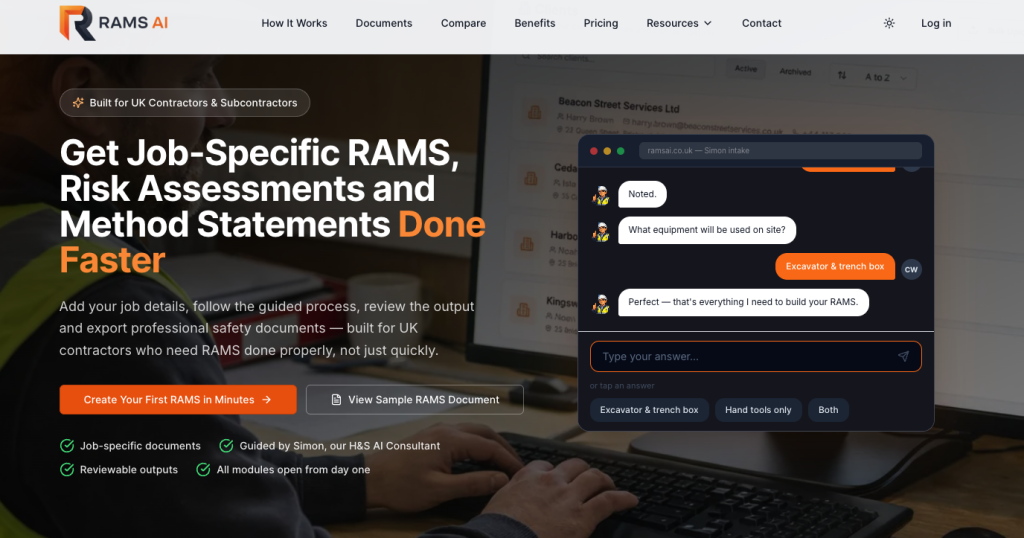
RAMS AI uses a guided wizard, a UK hazard library and artificial intelligence to help create project-specific safety documents.
The platform includes RAMS, COSHH assessments, Construction Phase Plans, toolbox talks, inductions and other construction-safety documents. Users can create and preview documents before using credits to activate them for live use.
This could help a small fabrication contractor structure a first draft for an installation job involving:
- Delivery and unloading
- Mobile welding
- Drilling and anchoring
- Work at height
- Lifting
- Hot work
- Public protection
- Testing and handover
However, fabrication work can contain technical details that an AI tool cannot confirm independently.
The system cannot inspect the steelwork, verify a lifting point, approve a temporary-stability arrangement, confirm a drawing revision or determine whether the selected welding-fume controls are effective.
RAMS AI’s terms require users to provide accurate information, conduct site assessments and independently verify the generated content.
Pricing
The current PAYG credit pack costs £29.97 and is valid for three months.
A monthly Professional option and custom Enterprise packages are also available. Buyers should check the current document-activation model before purchasing, as credits are used when documents are activated for printing, sharing, sign-off or distribution.
Strengths
Low initial commitment
AI-assisted document drafting
Guided RAMS workflow
UK hazard library
COSHH and supporting safety documents
PDF export and digital sign-off
Useful for occasional project work
Pay-as-you-go availability
Limitations
Every output requires competent review
Primarily positioned around construction contractors
AI cannot validate fabrication drawings, lifting points or engineering methods
The author must identify inaccurate or irrelevant controls
Buyers should test approval, version and change-control requirements
A fast draft may create false confidence if governance is weak
Demonstration test
Provide the scope:
Fabricate a 1.5-tonne steel platform in the workshop, transport it to a live factory, unload it using a mobile crane and install it above operational machinery during a weekend shutdown.
Review whether the generated document properly addresses the workshop, transport, lifting, temporary stability, isolation, work-at-height and handback stages.
Verdict
RAMS AI may be useful for producing a structured first draft when document volumes are low.
It should not be used as an automatic technical authority. A competent person must verify the fabrication method, machinery, lifting arrangements, installation sequence and site assumptions.
Which RAMS software is best for your fabrication company?
The right answer depends on where the risk, administration, and document-control problems appear.
Choose Evalu-8 EHS when:
You fabricate in a workshop and install on customer sites
RAMS needs to connect with equipment, COSHH, training and inspections
You operate several departments or locations
You want incident findings to inform future controls
You need controlled approvals, revisions and acknowledgements
You are replacing several separate health and safety systems
Choose Notify Technology when:
You operate a larger fabrication or manufacturing business
Incident reporting and audits are central to the requirement
You want RAMS linked with wider safety records
You need reporting across multiple sites
You are prepared for a tailored implementation
Choose HandsHQ when:
Customers regularly request detailed RAMS
You produce a significant number of installation packs
Professional presentation and approval are major concerns
You work on Procore-managed projects
You already use Simpro
The immediate need is specialist RAMS rather than a complete EHS platform
Choose RAMs App when:
Welding and hot-work content is a priority
You want pre-written MIG, TIG and plasma-cutting material
You need a starting library quickly
You also want COSHH assessments and toolbox talks
Your approval and reporting structure is relatively straightforward
Choose Sitemate when:
Installation and erection work creates the main challenge
Teams need offline mobile access
You work across multiple customer or construction sites
External contractors need to sign or contribute to records
You want configurable field workflows and dashboards
Choose Paperless Construction when:
You already have RAMS but struggle to brief them properly
Site workforce records are fragmented
Competency, attendance, HAVS and permits are important
You work as a subcontractor on larger projects
You need evidence of which revision was communicated
Choose Protecting when:
You run a smaller fabrication business
You want a simple fixed monthly price
Unlimited documents are attractive
You are replacing Word templates
Complex approval and reporting are not yet required
Choose RAMS AI when:
You create RAMS occasionally
You want help developing the first draft
Pay-as-you-go pricing suits your workload
A competent person will review every document
You do not expect AI to make engineering or site decisions
Questions to ask during a fabrication RAMS software demonstration
Do not let the supplier demonstrate a prepared office-refurbishment template.
Provide a representative fabrication job that moves through both the workshop and the customer’s site.
For example:
Fabricate a steel access platform weighing approximately 1.5 tonnes. The platform will be manufactured and trial-assembled in the workshop, transported to an operational food-production facility, lifted through a restricted access point and installed above existing machinery during a planned shutdown.
Ask the supplier to demonstrate how its system would:
- Record the current fabrication and installation drawing revisions.
- Break the job into workshop, transport and installation stages.
- Identify the machinery and equipment used during fabrication.
- Address welding fume, grinding dust, noise and hot work.
- Attach COSHH information, welding procedures and supporting documents.
- Record how the assembly will be lifted and turned in the workshop.
- Include loading, load restraint and unloading arrangements.
- Add crane, lifting-accessory and temporary-stability information.
- Address work at height and falling-object controls.
- Record customer isolations and shutdown arrangements.
- Identify required competence and supervision.
- Route the RAMS for technical and safety approval.
- Issue the correct version to workshop and installation teams.
- Record acknowledgements and briefings.
- Revise and reissue the document when the access route changes.
- Show the complete evidence trail after the job.
A platform that produces an attractive PDF but cannot control a drawing, sequence or site change may not solve the fabrication company’s real problem.
[VIDEO NOTE: Record a walkthrough titled “How to test RAMS software using a real fabrication and installation job”. Change the drawing or lifting arrangement during the demonstration and show how each supplier handles reapproval.]
Do fabrication companies legally need RAMS software?
No. RAMS software is not a legal requirement.
Employers must assess and control health and safety risks. Organisations employing five or more people must record the significant findings of their risk assessments.
Method statements are commonly used to communicate how higher-risk, complex or unusual work will be completed safely. HSE explains that a method statement can bring together the hazards, controls and planned sequence for a particular job.
Software is therefore a management tool rather than a legal requirement.
It becomes more valuable when a fabrication company needs to manage:
- Frequent customer RAMS requests
- Multiple authors
- Repeatable installation activities
- Drawing and scope changes
- Workshop and field teams
- Client approvals
- Subcontractors
- Digital acknowledgements
- Several sites or divisions
- Audit and incident evidence
Does every fabrication activity need a RAMS document?
No.
A fabrication company should choose the right control for the work rather than creating RAMS for every activity simply because the software makes it easy.
Routine use of a fixed workshop machine may require:
- A suitable risk assessment
- Appropriate guarding
- A machine-specific safe system of work
- Operator training and authorisation
- Inspection and maintenance
- Emergency arrangements
- Effective supervision
A RAMS document is more likely to add value when the activity is non-routine, project-specific, carried out away from the normal workstation or dependent on a controlled sequence.
Typical examples include:
- Installing fabricated steelwork
- Turning or lifting a large assembly
- Maintenance or modification work
- Mobile welding
- Working inside a customer’s operational facility
- Factory-shutdown work
- Structural-steel erection
- Complex loading or unloading
- Work involving temporary stability
- Work requiring permits or isolation
Creating additional paperwork should not become a substitute for controlling the machinery, environment and task properly.
Can fabrication companies reuse RAMS?
Yes, but the difference between controlled reuse and blind copying is important.
A fabrication company can maintain approved content for repeatable activities such as:
- MIG or TIG welding
- Plasma cutting
- Grinding and finishing
- Forklift movement
- Overhead-crane use
- Loading fabricated assemblies
- Mobile welding
- Drilling and anchoring
- MEWP use
- Steel erection
- Testing and handover
The final RAMS should still reflect:
- The current drawing
- Material and finish
- Size and weight
- Centre of gravity
- Lifting points
- Machinery and tools
- Workshop layout
- Installation site
- Access restrictions
- Surrounding operations
- Other contractors
- Weather conditions
- Temporary stability
- Customer permits
- Emergency arrangements
Reuse should remove repetitive administration. It should not remove the need to assess the real job.
What supporting information should sit with fabrication RAMS?
Depending on the work, useful supporting documents may include:
- Approved fabrication drawings
- Installation drawings
- Lifting plans
- Equipment inspection records
- Lifting-accessory certification
- COSHH assessments and safety data sheets
- Welding Procedure Specifications
- Welder or operator competency evidence
- Hot-work permits
- Isolation information
- Temporary-works details
- Equipment manuals
- Photographs of the work area
- Delivery and access plans
- Inspection and test plans
- Emergency arrangements
RAMS software does not need to replace all these records. It should make the relevant information easy to find and connect with the controlled work plan.
Final recommendation
For a fabrication company that manufactures in a workshop and completes installation work on customer sites, Evalu-8 EHS is our best overall RAMS software choice.
Its advantage is not simply the ability to build a Risk Assessment and Method Statement. It is the connection between RAMS, risk assessments, COSHH, equipment, training, audits, incidents and corrective actions.
Notify Technology is a strong connected alternative for larger manufacturing operations.
HandsHQ deserves serious consideration when the business produces a high volume of client-facing RAMS for structural, architectural or engineering installation projects.
RAMs App is particularly relevant for fabricators wanting ready-made welding, plasma-cutting and hot-work content, while Sitemate and Paperless Construction are stronger options when the installation team and field evidence drive the purchase.
Smaller workshops may find Protecting provides enough structure at a predictable price. RAMS AI can assist with occasional first drafts, provided every output is independently checked.
The deciding question should not be:
Which software gives us the fastest fabrication RAMS template?
It should be:
Which system helps us control the complete job from workshop planning and fabrication through lifting, installation, change and handover?
That is the standard fabrication companies should use when comparing RAMS software.
Evalu-8 EHS is our best overall choice for fabrication companies because RAMS can be managed alongside risk assessments, COSHH, equipment, training, inspections and incidents. HandsHQ is a strong specialist option for frequent client-facing RAMS, while RAMs App provides useful welding and hot-work content.
The content depends on the job, but it may include the scope, drawings, responsibilities, materials, machinery, cutting, welding, grinding, lifting, handling, PPE, COSHH controls, transport, unloading, installation sequence, work at height, permits, isolation and emergency arrangements.
Not for every routine activity. Workshop machinery may be better controlled through suitable risk assessments, guarding, safe systems of work, training, maintenance and supervision. RAMS is particularly useful for non-routine, higher-risk, project-specific and site-installation work.
Yes, several platforms can help structure welding risk assessments and method statements. The assessment must still consider the welding process, material, coating, duration, environment, extraction, RPE and people who may be exposed.
No. A Welding Procedure Specification defines the technical welding procedure. RAMS explains how the wider work will be completed safely. The WPS may be attached or referenced, but the two documents serve different purposes.
Book your personal demo
Speak with one of our EHS specialists and see how Evalu-8 can solve your specific health and safety challenges.
See Evalu-8 in action
Fill in your details and we'll send you a personalised guided tour of the platform — no sales pressure, just a clear look at what Evalu-8 can do for your team.